
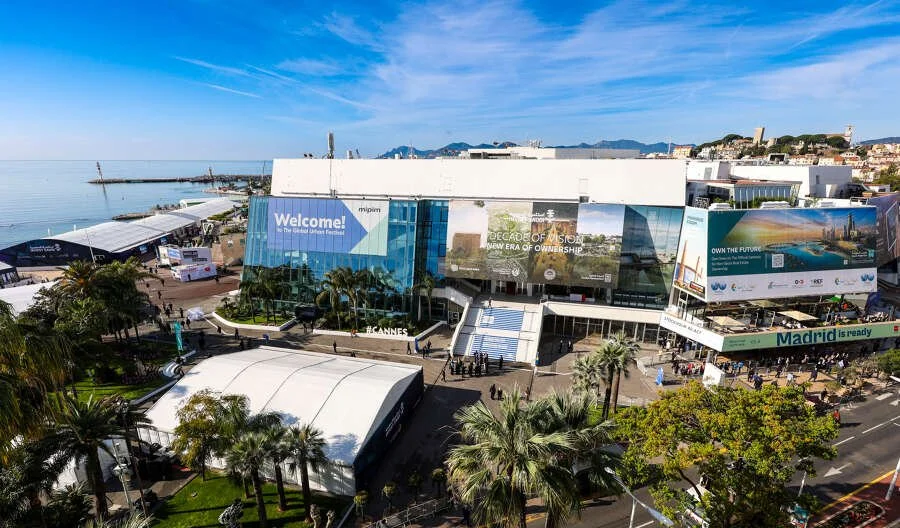
There are conferences where the most valuable thing you can do is get yourself into the right room. And then there is MIPIM, where getting into the right room might mean leaving the conference centre altogether.
Every March, the international real estate industry descends on Cannes for MIPIM. Investors, developers, architects, asset managers, local authorities and property professionals gather to talk about the future of the built environment, the direction of capital and the deals that might shape the next few years.
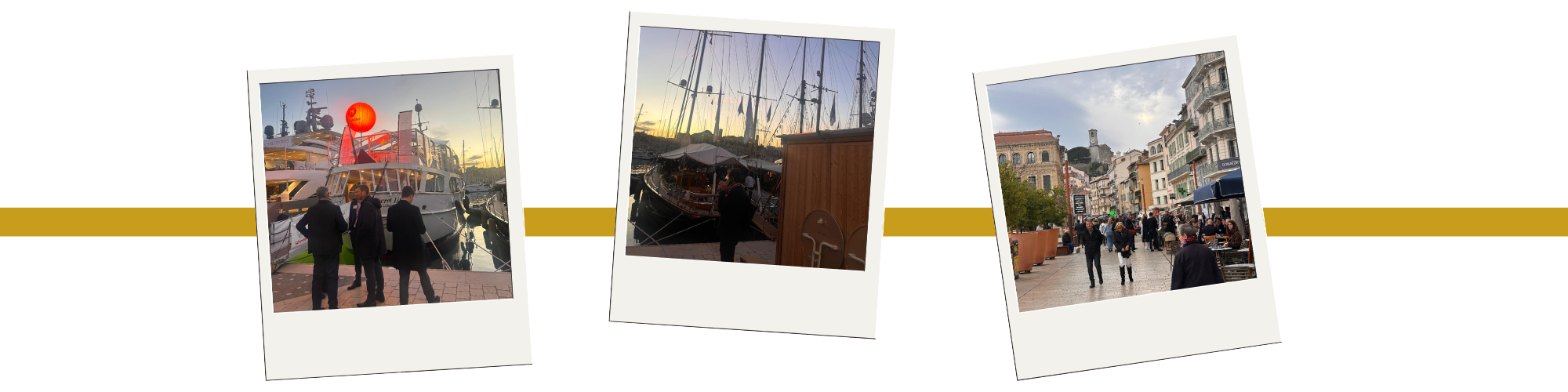
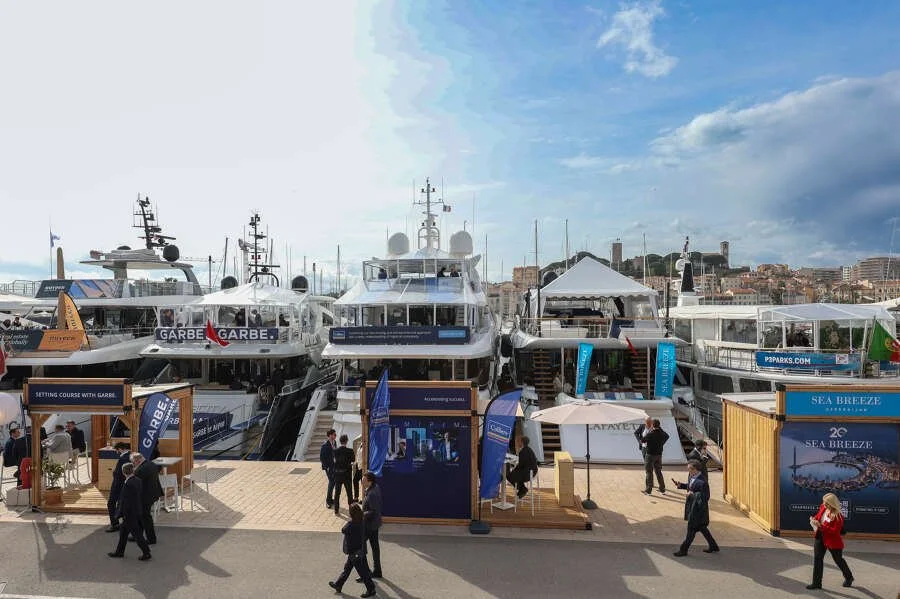
Officially, the action takes place at the Palais des Festivals, the famous Cannes venue best known for hosting the film festival. In practice, MIPIM extends well beyond its walls. Yachts, private mansions, rooftop drinks, dinners, beachside lunches and a seemingly endless calendar of invitation-only events turn the entire city into a networking venue.
I went to MIPIM in March 2026 with a slightly different perspective from my previous conference experiences. Working with a new architecture practice had given me a fresh lens through which to look at the property market. Rather than focusing primarily on the operational side of real estate, I was interested in investment, development and regeneration, and in meeting the people prepared to make things happen in a market that had become increasingly uncertain.
I was also curious about the social side of MIPIM. An invitation to an infamous pool party was difficult to turn down, and I was co-hosting a women's drinks evening with two contacts on the final night.
What I found was a conference that says as much about the importance of relationships in business as it does about the state of the property market itself.
First impressions: a city that becomes the conference
If you have never been to MIPIM, it is worth understanding that Cannes becomes a very particular place during conference week.
The weather helps. When the sun is shining, people spill out onto the streets, terraces and promenades. Meetings happen over coffee, lunch stretches into the afternoon, and a casual drink can turn into an introduction to someone you had hoped to meet all week.
The Boulevard de la Croisette is excellent for people-watching. Sit at one of the restaurants or cafés and you will see a steady stream of familiar faces, colleagues, potential clients and people who seem to know everyone. Rue Félix Faure is another useful place to linger. Both offer the opportunity to spot people, strike up a conversation or simply get a feel for who is in town and what people are talking about.
The unofficial uniform is hard to miss, too. Blue gilets are everywhere. You will walk considerably more than you expect, often between meetings, events and venues that look close on a map but turn out to be less convenient in practice.
I prefer to stay a little way out from the centre. It gives me some distance from the intensity of the week, a chance to reset and a reminder that Cannes is still a real place beyond the temporary property industry that takes it over each March.
MIPIM can feel like an enormous game of professional proximity: everyone is trying to be where the right people are, and everyone else is trying to work out where that might be.
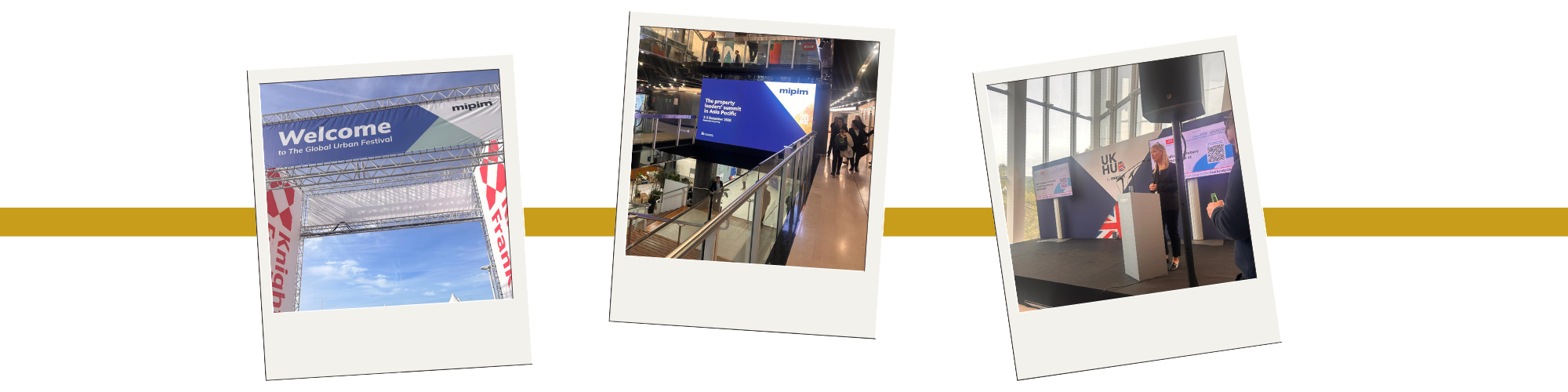
The official programme is only part of the story
One of my strongest impressions of MIPIM 2026 was how much of the activity happened outside the official conference programme.
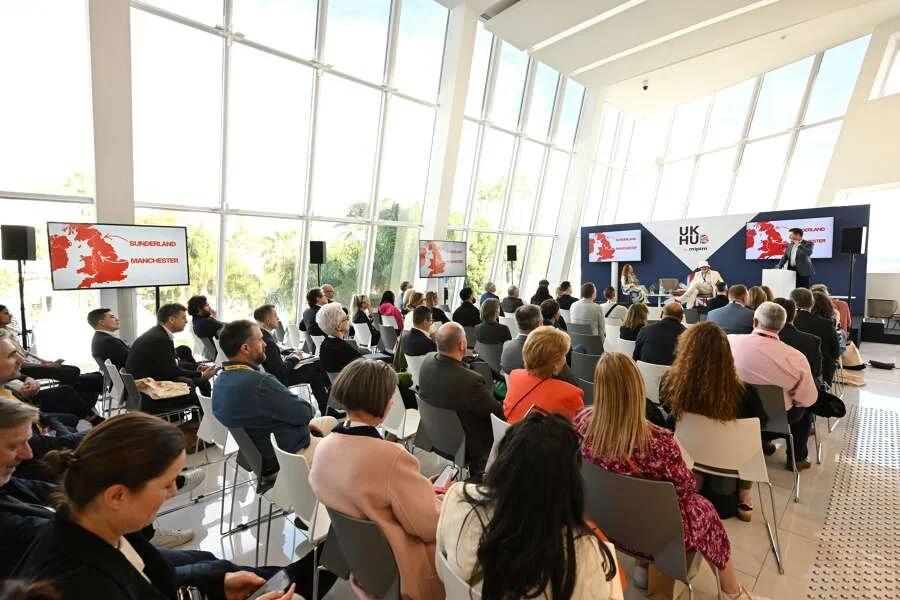
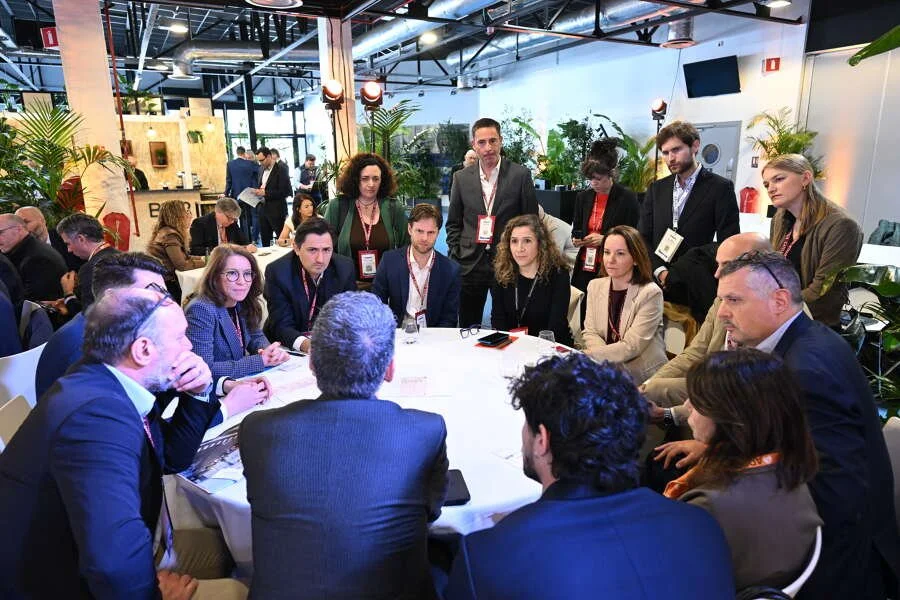
The conference centre, sometimes referred to as the Bunker, has its place. It is where the formal sessions, exhibitions and organised meetings take place, and where you can hear from people working on some of the industry's biggest challenges.
But the atmosphere beyond the venue is an event in its own right.
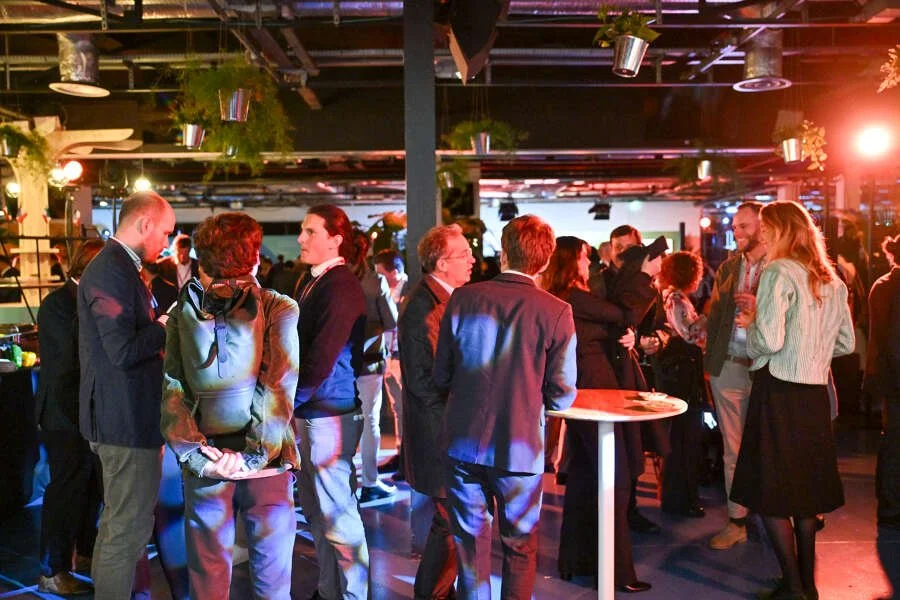
There are hundreds of side events, many of which are not widely advertised or listed in the official programme. Companies host clients, partners and prospects on yachts, in private houses, at dinners and in bars. Invitations circulate through personal networks and WhatsApp groups. Some events are carefully planned months in advance; others emerge through a conversation over lunch or a message from someone you happen to know.
The Bubble House is one of the names that comes up in the world of MIPIM's private social events. As with many of these gatherings, access depends on knowing the right people and getting an invitation. The broader point is that the most interesting opportunities are not always the ones you can find by looking at the conference agenda.
This is also why preparation matters so much. Before travelling, look at which companies and individuals are attending. Ask your existing contacts what they are planning, join relevant WhatsApp groups and find out which communities are organising gatherings. Groups focused on women in real estate, technology or particular markets can be especially useful.
Do this early. By the time you arrive in Cannes, many of the best events will already be filling up.
At the same time, leave space in your diary. MIPIM is one of those rare events where being available can be just as valuable as being organised. A conversation can lead to an invitation, which can lead to another conversation, and suddenly you find yourself somewhere you would never have discovered through the official programme.
The trick is to prepare enough to make the most of the opportunities, without planning every minute so tightly that you miss them.
Who is everyone trying to meet?
At MIPIM, money attracts attention.
The large asset management firms and institutional investors are in high demand. Companies with capital to deploy, major development plans or a public position on an emerging asset class tend to attract plenty of interest. Data centres and hotels were among the sectors generating attention, while the people responsible for making investment decisions were often being courted through carefully arranged meetings and hospitality.
You do not have to look far to see the scale of the relationship management involved. VIP cars, private dinners and elaborate entertainment are part of the landscape.
For some organisations, MIPIM is an important opportunity to maintain existing client relationships. For others, it is a chance to build visibility, test the market, meet potential partners or signal that they remain active despite uncertainty.
And uncertainty was very much part of the conversation this year.
There had been a sense that real estate was recovering, only for geopolitics to introduce fresh hesitation. Deals that had seemed to be moving forward were stalling. Alongside this, people were talking about consolidation among larger firms, changing investment priorities and the sectors attracting capital.
The mood was not uniformly pessimistic. There was plenty of ambition and activity, but also a sense that confidence could be fragile and that people were watching each other's moves carefully.
This is one of the things I find interesting about MIPIM. Everyone is there to network, but not everyone is looking for the same thing. Some people want a deal. Others want an introduction, reassurance, market intelligence or a sense of what competitors are doing. Many are there to maintain relationships that have been built over years.
The challenge is working out which conversations matter to you.
The best conversations are rarely confined to a meeting room
My best conversations happened outside the conference centre, particularly at the cafés and restaurants along the Croisette and around Rue Félix Faure.
There is something about the informality of these settings that changes the dynamic. People are generally happy to have a casual conversation over a coffee or a glass of rosé. You can ask what someone is working on, hear what they are seeing in the market and discover a shared interest without the pressure of a formal meeting.
That does not mean you should arrive without a plan. MIPIM is competitive, and the people you most want to meet may have a diary full of appointments. If there are specific investors, developers or regeneration specialists you want to speak to, make contact in advance.
But some of the most useful encounters happen when you are not rushing between appointments. A little time spent in the right place, with your eyes open and your attention available, can be surprisingly productive.
MIPIM is not necessarily an easy conference to attend alone. The scale of it can be intimidating, and the private events can make it feel as though everyone else has received an invitation you somehow missed.
Yet it is also a place where openness and good timing can take you a long way. When the weather is good and people are in a relaxed mood, there is a real willingness to talk. You may find yourself making connections simply because you were there, rather than because you had arranged to be.
I think of this as the happenstance side of conference networking. It is not a substitute for preparation, but it is one of the things that makes being physically present valuable.
The elephant in the room: who gets to participate?
For all the talk of progress and diversity, MIPIM still feels very male-dominated. There are a lot of gilets, a lot of familiar industry hierarchies and a lot of conversations happening among people who have known one another for years.
There was talk of this being the most diverse MIPIM yet, but the atmosphere did not always reflect the scale of that ambition.
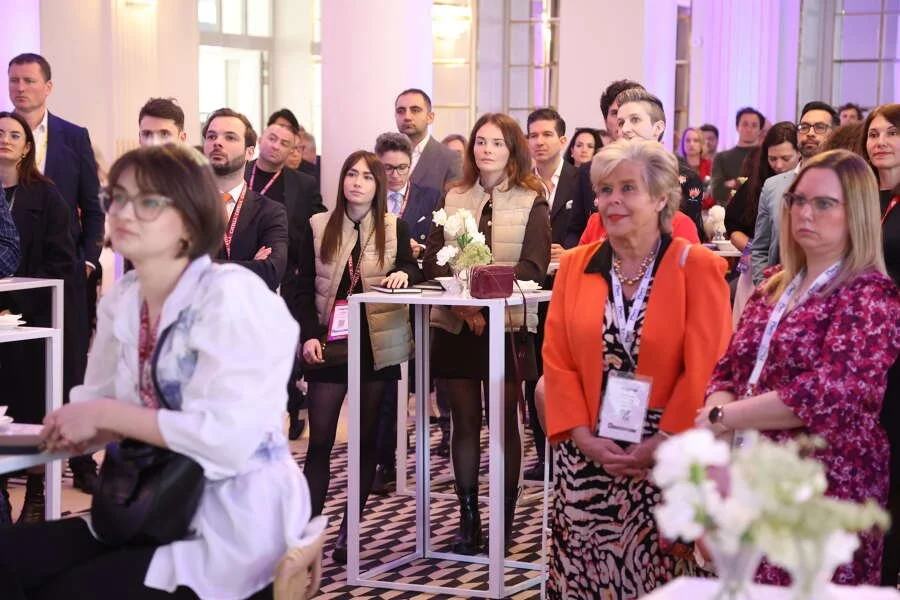
This is part of the reason I was pleased to co-host a women's drinks evening with two contacts on the final night. The last evening of a conference can sometimes feel as though everyone has already left, or is too exhausted to attend another event. In the end, the gathering was very well attended.
It was a useful reminder that people want spaces where they can meet others with shared experiences and interests, and where the conversation does not have to be another round of positioning and professional performance.
The wider lesson is that networking is about helping create the environments in which different relationships can form.
AI was the topic of the year
As expected, artificial intelligence was a major theme at MIPIM 2026, including in discussions about its impact on real estate investment and operations.
One session I attended made a useful distinction between the promise of AI and the practical work required to make it valuable.
AI can help with demand forecasting, predictive maintenance, rent and occupancy modelling, investment reporting and testing assumptions. But the results depend on the quality of the underlying data. Fragmented property records and inconsistent address information can limit what these tools can do.
There was also an emphasis on human oversight. AI can support analysis and challenge assumptions, but its outputs need to be checked, and organisations need the skills and governance to use it responsibly.
My main takeaway was that AI is not a single transformation waiting to happen across the whole industry. Its value will come from solving specific problems well, supported by reliable data and people who understand how to use it.
The session was a useful reminder that, even at a conference defined by networking, the substance of the conversations still matters. Technology, investment and the built environment are changing, but the ability to assess an idea, ask good questions and understand the people making decisions remains essential.
Is MIPIM worth the investment?
It is easy to look at the cost of MIPIM and question whether it represents good value. Flights, accommodation, tickets, hospitality and the time spent away from the office add up quickly.
There is also a fair question about how much of the formal conference programme people actually attend. I heard the view that the programme itself has become less of a draw for some delegates over the years, with attendance at sessions influenced by the weather and the pull of events elsewhere. That is an observation from conversations, rather than a measure of overall attendance.
But I think it misses something important to dismiss MIPIM as an expensive waste of time simply because much of the activity happens outside the conference centre.
For many companies, the event is a concentrated opportunity to maintain relationships, reconnect with clients, understand the market and meet people they might otherwise take months to see. The relaxed atmosphere can make those interactions feel more natural than a formal business development meeting at home.
The location and reputation do some of the work, too. People come to Cannes because they know others will be there. Even if they spend relatively little time in the official programme, they are still participating in the wider gathering.
That does not mean every attendee will get value from simply turning up. MIPIM rewards a degree of focus. You need to know why you are there, which people you hope to meet and what you want to learn. You also need to recognise that the return may come through a relationship that develops over months rather than a deal signed during the week.
The mistake is assuming that value only comes from formal meetings, booked sessions or immediate commercial outcomes. At an event like MIPIM, a useful introduction, an honest market conversation or a better understanding of where capital is moving can all be worthwhile results.
The other mistake is assuming that because everyone is networking, every interaction is equally valuable. It is not. The aim should be to make the right conversations count.
What I would do differently next time
If you are planning to attend MIPIM for the first time, here are the things I would keep in mind.
Book early. Flights and accommodation should be organised as far in advance as possible. Cannes gets busy, and leaving it late makes the week more expensive and less convenient.
Make a list of people you want to meet. Reach out before the event and arrange a few meetings. Do not assume the people you most want to speak to will have space in their diaries once they arrive.
Join the right networks. WhatsApp groups such as those for women in real estate, technology or specific markets can help you discover side events and find people with shared interests. Ask your existing contacts where they will be and compare notes before you go.
Leave room for chance. Do not fill every hour with meetings. Some of the best opportunities emerge through invitations and introductions you could not have planned for.
Allow more time than you think you need. You will walk a lot. Some events are outside the centre, and private parties at villas or mansions can involve lengthy journeys. Build realistic gaps between appointments.
Think about the weather. If you want access to the official programme, make sure your ticket gives you the access you need. The outdoor social scene is a big part of MIPIM, but it is less appealing when the weather turns.
Be clear about what you are looking for. Whether you want to meet investors, understand a particular market, find partners or build your profile, having a purpose will help you make better choices about where to spend your time.
And perhaps most importantly, do not mistake visibility for progress. It is easy to spend the week being seen, attending parties and talking about what everyone is doing. The harder work is following up afterwards, keeping the right conversations alive and turning promising connections into something useful.

The bigger lesson: a conference can be a place, not just a programme
MIPIM changed the way I think about what a conference needs to be.
We tend to evaluate conferences through the familiar markers: the quality of the speakers, the relevance of the sessions, the number of exhibitors and the structure of the programme. These things matter, but MIPIM demonstrates that the value of a gathering can extend well beyond them.
Sometimes the location, the reputation and the knowledge that the right people will be there are enough to bring an industry together. The official programme becomes one part of a much larger ecosystem of conversations, events and relationships.
For me, attending with a new perspective on investment, development and regeneration made the week especially useful. I was able to look at the industry through a different lens, hear what people were saying about the market and spend time with people who were actively looking for opportunities to do things differently.
But the lesson extends beyond real estate.
Whether you are attending MIPIM, a smaller industry gathering or a conference in an entirely different sector, it is worth thinking beyond the agenda. Who will be there? What conversations do you want to have? Where are people likely to gather when the formal sessions finish? And what can you do before you arrive to make those encounters more meaningful?
It’s crucial to think of a conference as an opportunity to put yourself in the path of people, ideas and possibilities you might not otherwise encounter.
At MIPIM, that opportunity happens to come with a great deal of walking, a remarkable number of blue gilets and quite a lot of rosé.
The real value, as ever, lies in what you do with it.
Planning your next conference?
At The Strategic Attendee, I explore how people and organisations can get more from conferences by approaching them with purpose, building stronger relationships and making their time in the room count.
If you are reviewing your organisation's conference strategy or want to make better use of the events you attend, get in touch to discuss a more strategic approach.
